education
Summer Training Tightness and Sports Massage
Learn when summer training tightness is normal, when to adjust, and how sports massage can support active muscles.
Key takeaways
- Tightness after a new or harder workout is common, but it should settle as your body adapts.
- Sports massage can help active clients manage muscle tone, comfort, and recovery between sessions.
- Sharp pain, swelling, numbness, or symptoms that keep worsening should be checked by a health professional.
Summer training can make your legs, hips, back, and shoulders feel tight, especially when you add mileage, hills, longer rides, extra golf, or weekend sports. Some tightness is a normal sign that your body is adapting. Tightness that changes how you move, keeps returning, or limits your next workout deserves more attention.
Sports massage can be useful when your muscles feel overworked, guarded, or slow to recover. It is not a cure for every ache, and it should not replace medical care for an injury. It can, however, be a practical part of your recovery plan when you want to keep training comfortably.
Why do muscles feel tighter in summer training?
Summer usually brings a jump in activity. Runners add outdoor routes. Cyclists stay out longer. Golfers play more rounds. Recreational athletes fit in soccer, tennis, pickleball, hikes, and gym work around a busy week.
Your muscles respond to that load. A harder session can leave small areas feeling sensitive, heavy, or restricted for a few days. Heat can also change your routine. You may warm up faster, sweat more, sleep differently, or push harder because the weather feels good. Even small changes in shoes, bike fit, terrain, or recovery time can show up as tight calves, hip flexors, low back tension, or sore shoulders.
Tightness is not always bad. It is information. The question is whether it is settling, staying the same, or building.
When is tightness a normal training response?
Tightness is more likely to be a normal response when it feels even on both sides, comes after a clear increase in activity, and improves with easy movement, food, fluids, and rest. You might notice it the day after hill repeats, a longer ride, a heavy gym session, or a tournament weekend.
In that case, the goal is usually to support recovery and adjust the next few sessions. A short easy workout, gentle mobility, lighter strength work, or an extra rest day may be enough. You do not need to panic every time a muscle feels firm or tired.
A simple rule of thumb
If tightness improves as you warm up, does not change your form, and keeps easing over a few days, it is often manageable. If it gets sharper, spreads, or changes how you move, take it seriously.
When should active people book sports massage?
Consider booking sports massage when tightness keeps showing up in the same area, limits your stride, pedal stroke, swing, or lifting pattern, or leaves you feeling guarded between workouts. It can also help during busy training blocks when you want regular hands-on maintenance rather than waiting until discomfort becomes a bigger problem.
At Alex Yang RMT, the aim is to match the treatment to your sport, your schedule, and what you are feeling that week. For one person, that may mean focused work through calves and hamstrings after run volume increases. For another, it may be hips, glutes, and low back after cycling or golf. For shoulder-heavy sports, treatment may focus on the upper back, chest, neck, and rotator cuff area.
Sports massage should feel purposeful, not like a test of pain tolerance. Pressure can be firm when appropriate, but the session should stay within a range where you can breathe, relax, and give feedback.
What can sports massage do for training comfort?
Sports massage may help reduce the feeling of muscle tension, improve short-term comfort, and make it easier to move through your normal range. Many clients use it to feel less stiff before returning to steady training.
It can also help you notice patterns. If your right calf is always tight after speed work, or your low back flares after every long ride, that is useful information. Your RMT can ask about training changes, positions, warmups, and recovery habits, then adjust treatment and home care suggestions.
Massage is only one part of the picture. Sleep, nutrition, hydration, pacing, strength training, and gradual progress still matter. The best results usually come when hands-on care supports smart training decisions.
What are signs you should not train through it?
Do not ignore sharp pain, sudden swelling, bruising, numbness, tingling, major weakness, dizziness, or pain that makes you limp or change your mechanics. You should also get professional advice if symptoms keep worsening, wake you at night, or do not improve with a reasonable reduction in training load.
For health concerns, it is best to speak with a qualified professional who can assess you in person. A massage appointment can support sore and tight muscles, but it is not a diagnosis of a strain, tear, joint injury, or nerve issue.
How can you get more from a massage during training season?
Come in with a clear training snapshot. Share what sport you are doing, what changed recently, what feels tight, and what event or goal is coming up. Mention whether you want recovery after a hard block, maintenance during regular training, or help with one stubborn area.
After treatment, keep the next workout realistic. Many people feel looser right away, but that does not mean the tissue is ready for a personal best. Easy movement, a lighter session, or a planned rest day often makes more sense than testing the area immediately.
What is the bottom line for summer athletes?
Summer tightness is common, but it should not run your whole season. If your muscles feel heavy, restricted, or slow to recover, sports massage can be a useful way to support comfort and keep an eye on patterns before they become more limiting.
If your symptoms are sharp, unusual, or not improving, get assessed. If they feel like training tightness that needs better recovery support, book care before your body forces you to slow down.
Related treatments
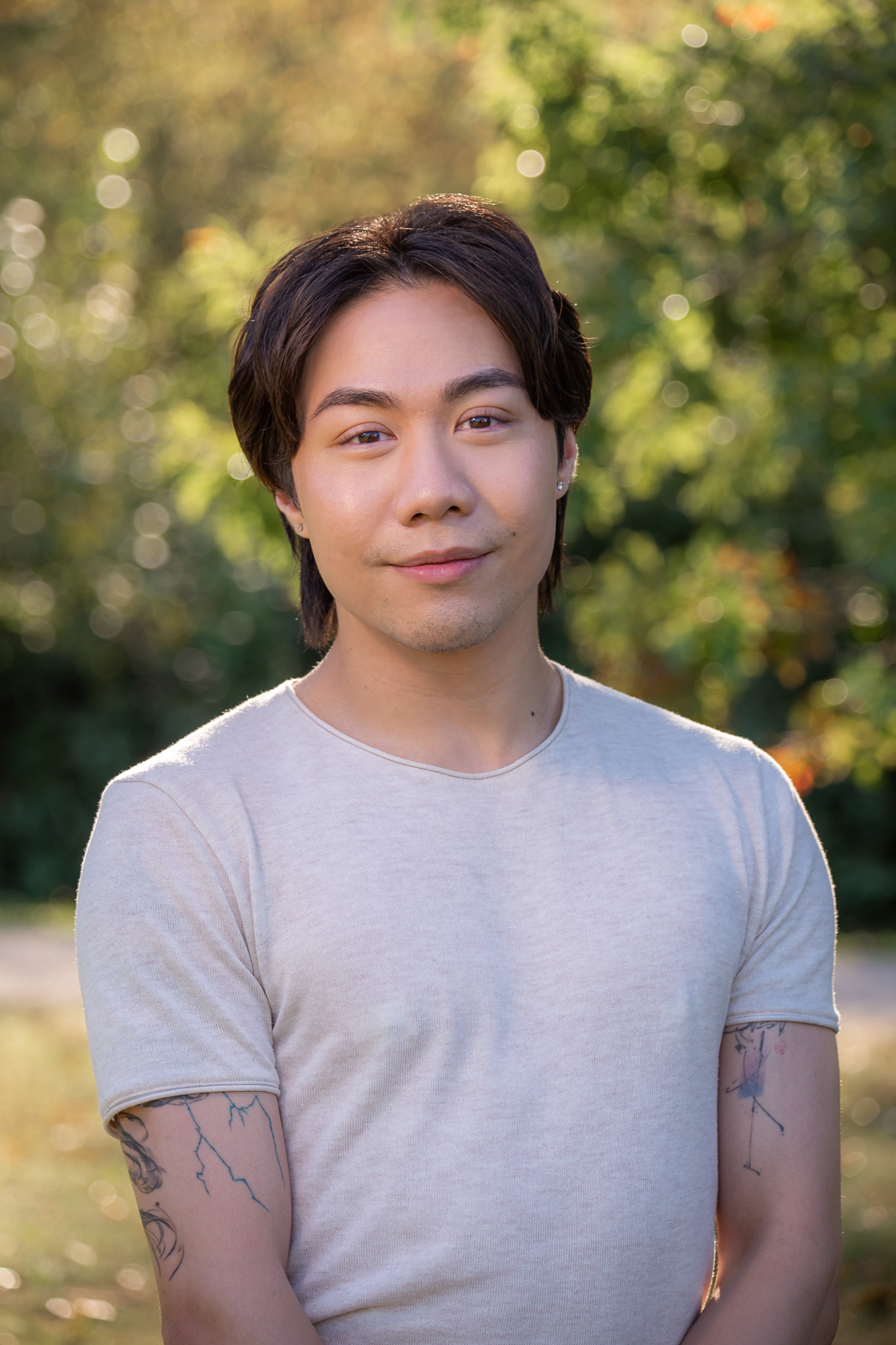
Alex Yang
Registered Massage Therapist in Downtown Vancouver’s West End, with a BSc in Kinesiology (Honours) from UBC. Precise, comprehensive, and intentional treatment.
Ready to feel the difference?
Book a treatment with Alex Yang, RMT in Downtown Vancouver's West End.
Book a Treatment